The Value of Names in Prompt Engineering
May 30, 2026
Think of trying to ask someone to perform a simple task using a handsaw, but you and / or they have no notion of a handsaw to draw from, so you have to describe the function of a handsaw, how to use it, and when to exercise caution with it, in order for them to use the handsaw in an effective way. If you miss any crucial elements in your definition, you’ll both risk opening yourself up to unintended consequences. With a handsaw, that could get messy.
Names are shortcuts; I don’t need to describe a handsaw to someone for them to use it, if we both know roughly what it is and how to use it. I can just ask them to use “a handsaw” to perform a task.
There might be some context loss, but overall, especially for simpler artifacts (tools, concepts, algorithms, etc.), giving a directive to “Use [said artifact] to accomplish [so-and-so task]” is probably a more reliable way for the receiving party to interpret the original request successfully than it would be for the requesting party to define everything from scratch.
A spade is a spade, as it were.
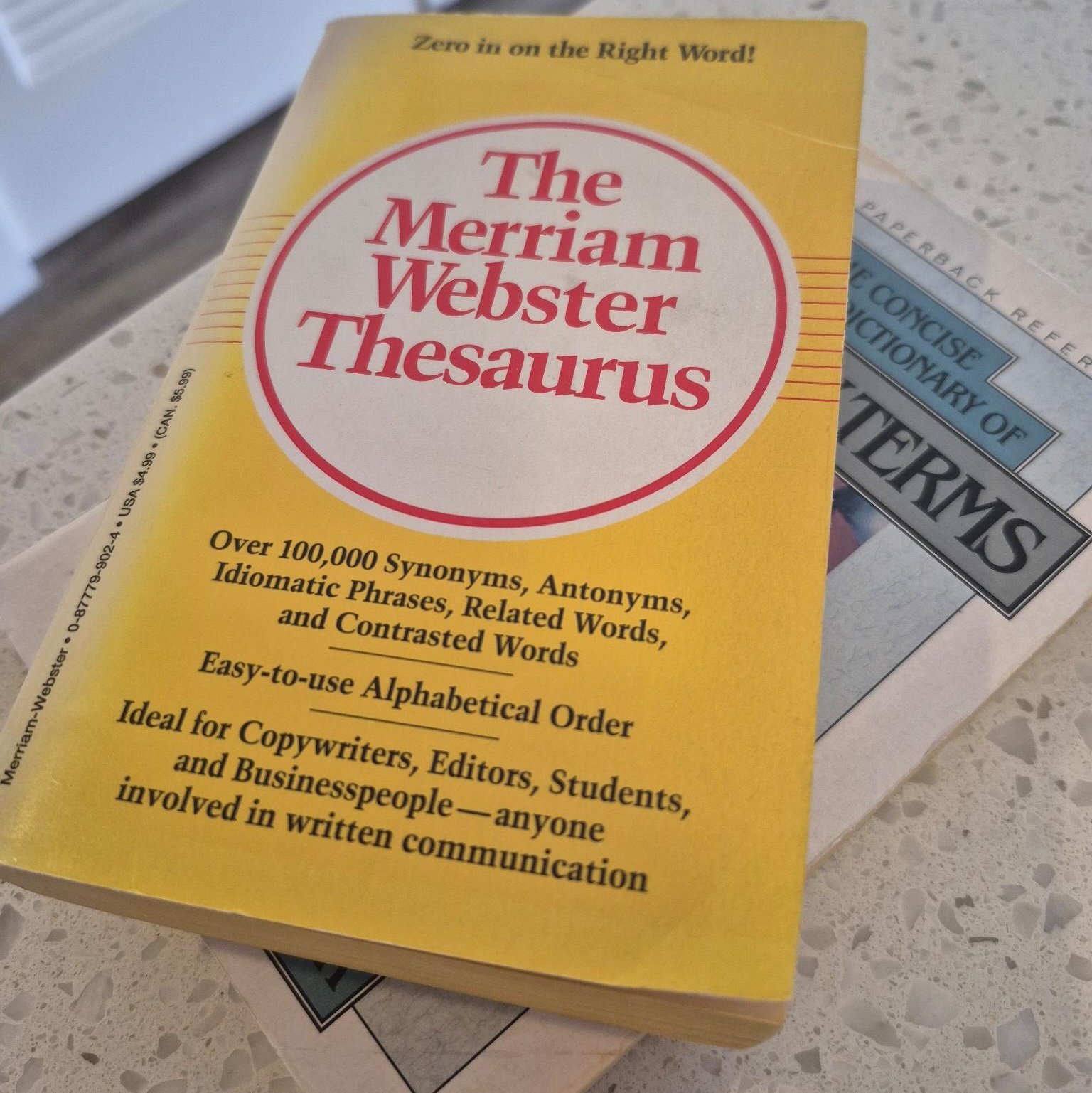
What does all this mean, then, as we undergo our next Industrial Revolution? For starters, broadly speaking, I prescribe learning the names of things. The more names you know for the given domain you’re prompting in relation to (industries, specialties, etc.), the more precise your language can be, the more intentional the context you’re providing becomes, and the more likely your collaboration with AI tooling is to result in the outcomes you want.
This of course assumes that both parties (requesting, receiving) have roughly the same notion of what the artifact being described is and what it does. If either party is lacking that context, then names are a moot point.
Additionally, there might be cases where it does make sense to skip the name and get into the guts of what it is that you need an agent to do. In my experience, this usually comes into play when there’s a deviation in the normal understanding of the artifact you’re describing, to something more use-case specific.
But if you’re okay with using the run-of-the-mill version of the artifact, it’s going to save you time, effort, and memory allocation to be able to attach a name to the artifact. Why reinvent the wheel?
So, as we learn to effectively leverage AI, perhaps one of the more meaningful uses of our time, is to broaden and deepen our understanding of the world around us, such that we can draw on our knowledge of its many domains.
Until next time.
Keith